Driveway Repairs & Resurfacing in Guildford
Repair cracks, potholes, worn areas and surface failures before they become more disruptive and expensive. GP Surfacing assesses the cause of the damage and recommends a proportionate solution for driveways, access roads, forecourts and other paved areas.
Guildford-based team
Residential & commercial
Fully insured
Fully insured
Free written quotations
A timely repair can protect the whole surface
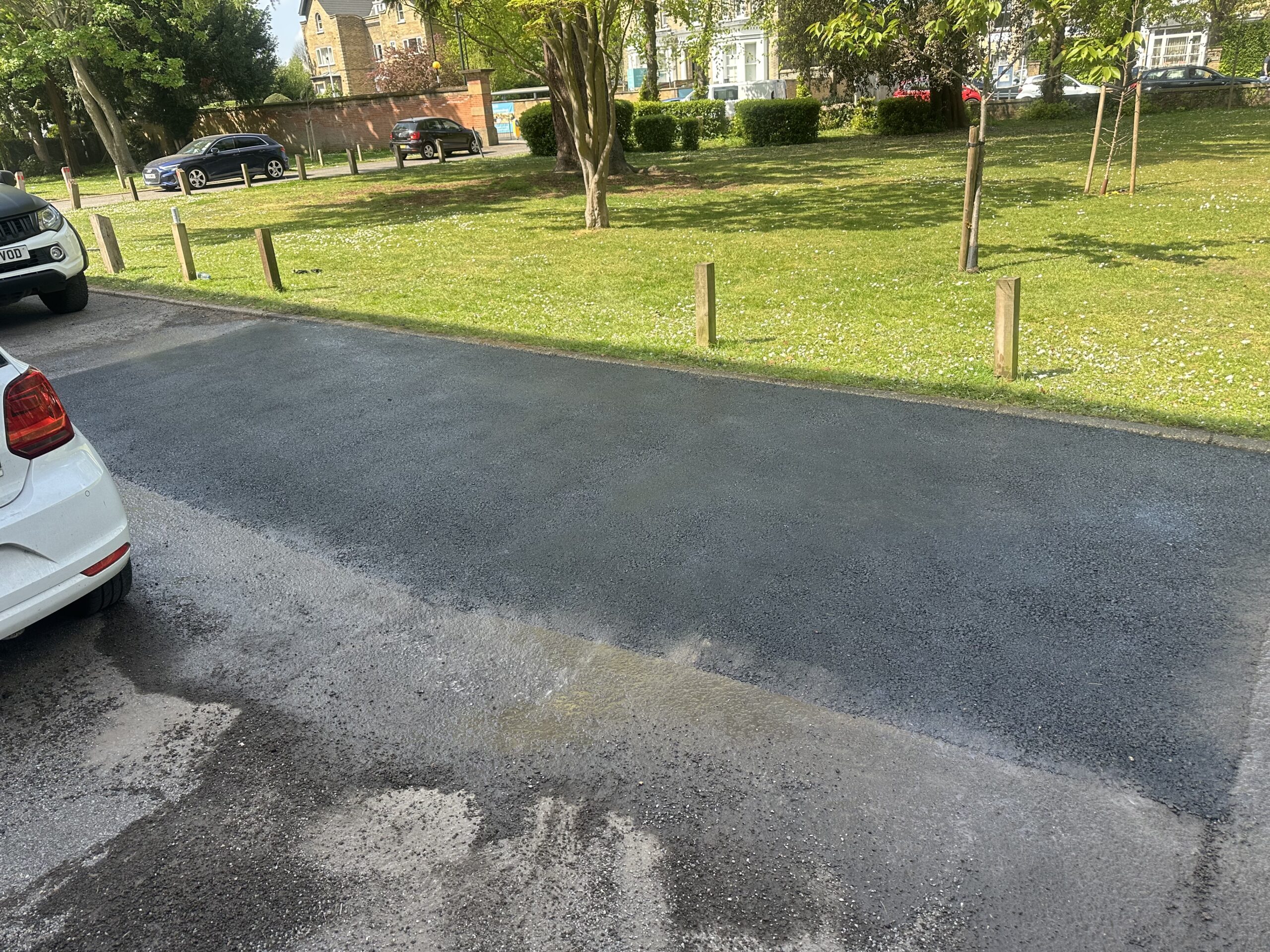
Small defects rarely improve by themselves. Cracks allow water into the construction, potholes grow under repeated traffic and loose edges continue to break away. An uneven or deteriorating area can also create an uncomfortable route for vehicles and pedestrians while making the whole property look poorly maintained.
GP Surfacing provides repairs and resurfacing in Guildford and the surrounding area for domestic and commercial customers. We begin by looking beyond the visible damage. The location, pattern and extent of the failure can indicate whether the problem is confined to the surface or connected to movement, drainage, weak edges or an unsuitable base beneath it.
That assessment helps us recommend the right level of work. A sound surface with isolated defects may only require local repairs. Widespread wear over a stable foundation may be suitable for resurfacing. Where the underlying construction has failed, rebuilding the affected area can provide better value than repeatedly covering the symptoms. You receive a clear explanation and no-obligation quotation before deciding.
Why deal with surface damage promptly?

Prevent further deterioration
Water, frost and regular traffic can turn a small crack or shallow defect into a larger failure. Timely repair helps seal vulnerable areas and stabilise damaged sections before deterioration spreads into otherwise serviceable surfacing.

Improve safety and access
Potholes, loose material and abrupt changes in level can make walking, cycling and driving less comfortable. Correcting damaged areas creates a more predictable route and reduces avoidable trip points, vehicle impacts and standing water around the property.

Extend the useful life
Where the base remains sound, targeted repair or resurfacing can postpone the need for complete replacement. Treating the right defects at the right time preserves more of the existing construction and can deliver a sensible balance between cost and long-term performance.

Restore a cared-for appearance
Worn patches and broken edges draw attention for the wrong reasons. Neatly executed repairs or a consistent resurfaced finish can transform the approach to a home or business, creating a cleaner first impression without automatically rebuilding every part of the area.

Arrange an assessment and receive an honest, no-obligation quotation
The right repair starts with the right diagnosis
1
Inspecting the damage
We examine cracking, depressions, potholes, loose edges, standing water and worn areas. The pattern of failure, traffic use and history of previous repairs help indicate what may be happening below the visible surface. We also review access, service covers and adjoining levels.
2
Agreeing the appropriate treatment
We explain whether local repair, resurfacing or reconstruction is likely to give the most dependable result. The quotation identifies the area and scope of work, including preparation, removal, base repairs, drainage adjustments or edge details where these are required.
3
Preparing and repairing
Damaged material is removed to suitable boundaries and any failed foundation is addressed. Edges are prepared so new material can be installed and compacted effectively. For resurfacing, the existing area is cleaned and prepared, with levels and transitions considered before the new layer is applied.
4
Finishing and reopening
The repair is compacted and finished neatly against the surrounding surface, covers and edges. We clear the working area and explain when it can return to use. Practical maintenance advice helps you spot future problems early and protect the repaired or resurfaced area.
Choose the right level of intervention
Localised surface repairs
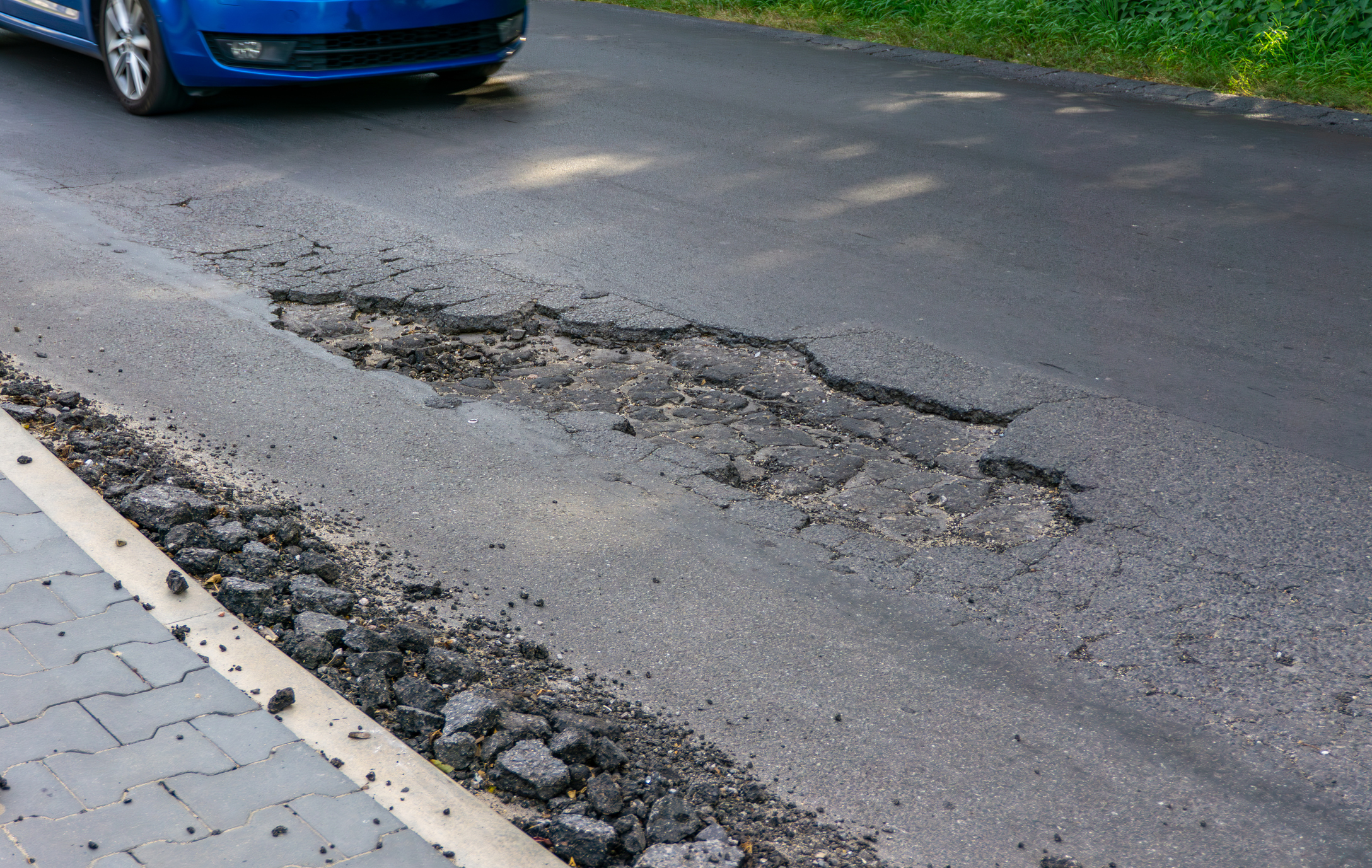
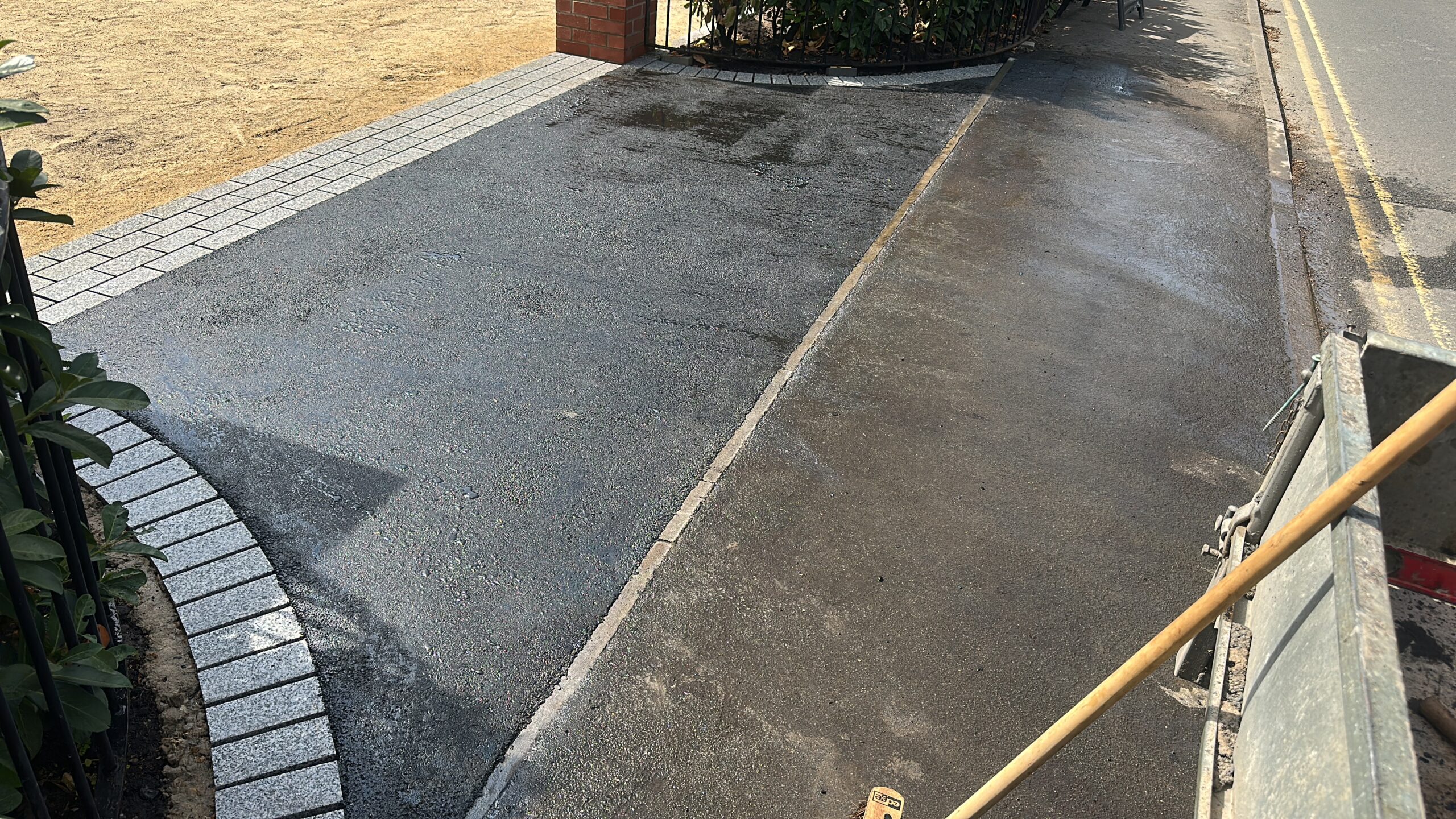
Targeted repairs suit isolated potholes, edge failures, utility cuts and limited areas of damage where the surrounding construction remains serviceable. Correct preparation is essential: loose material must be removed and the repair properly supported rather than simply filled at the surface.
Full-area resurfacing
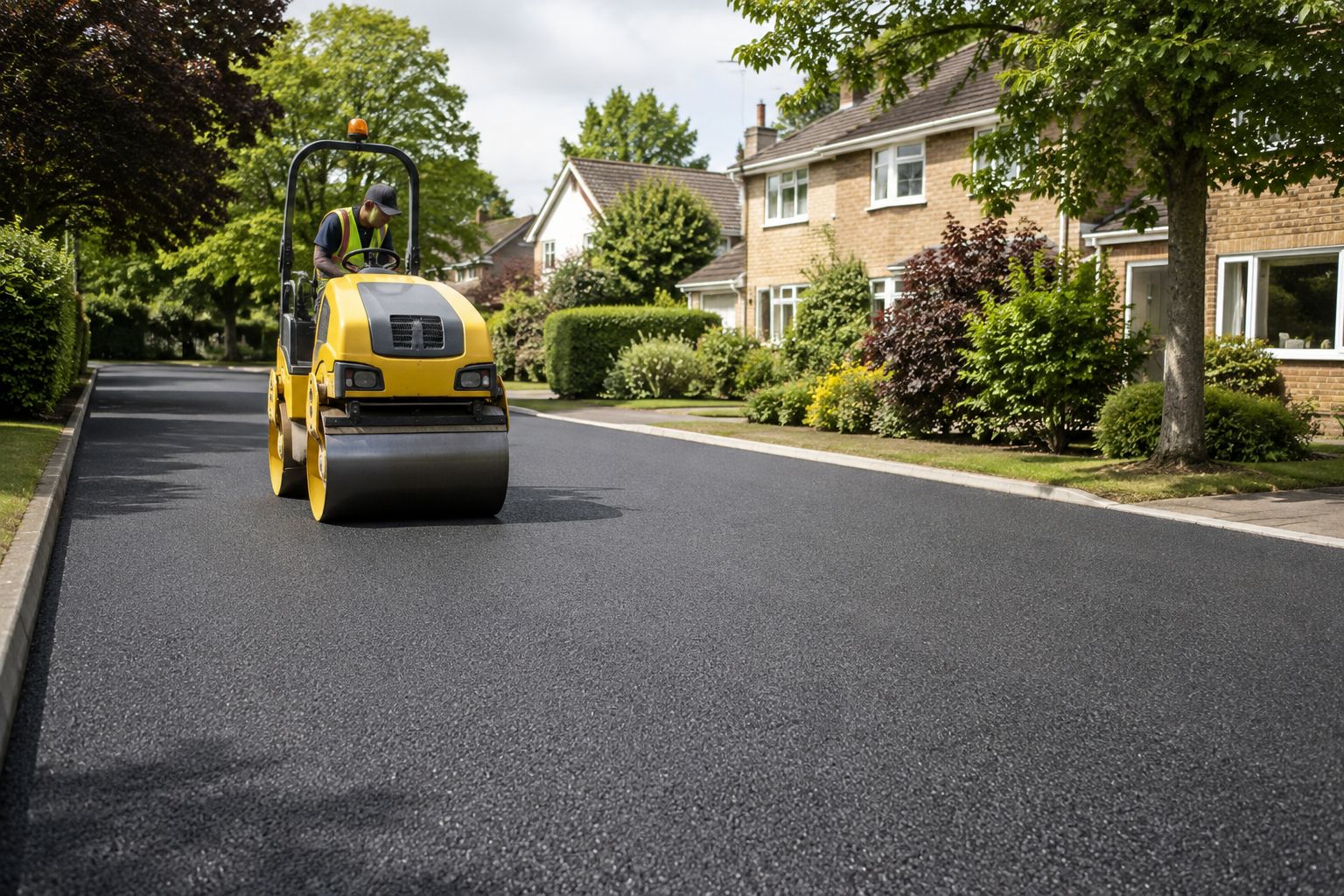
Resurfacing places a new wearing layer over a suitably prepared existing surface. It can restore a consistent appearance and performance where the base is stable but the upper layer is broadly worn. Levels, thresholds, drainage and available construction depth must all be checked before this approach is recommended.
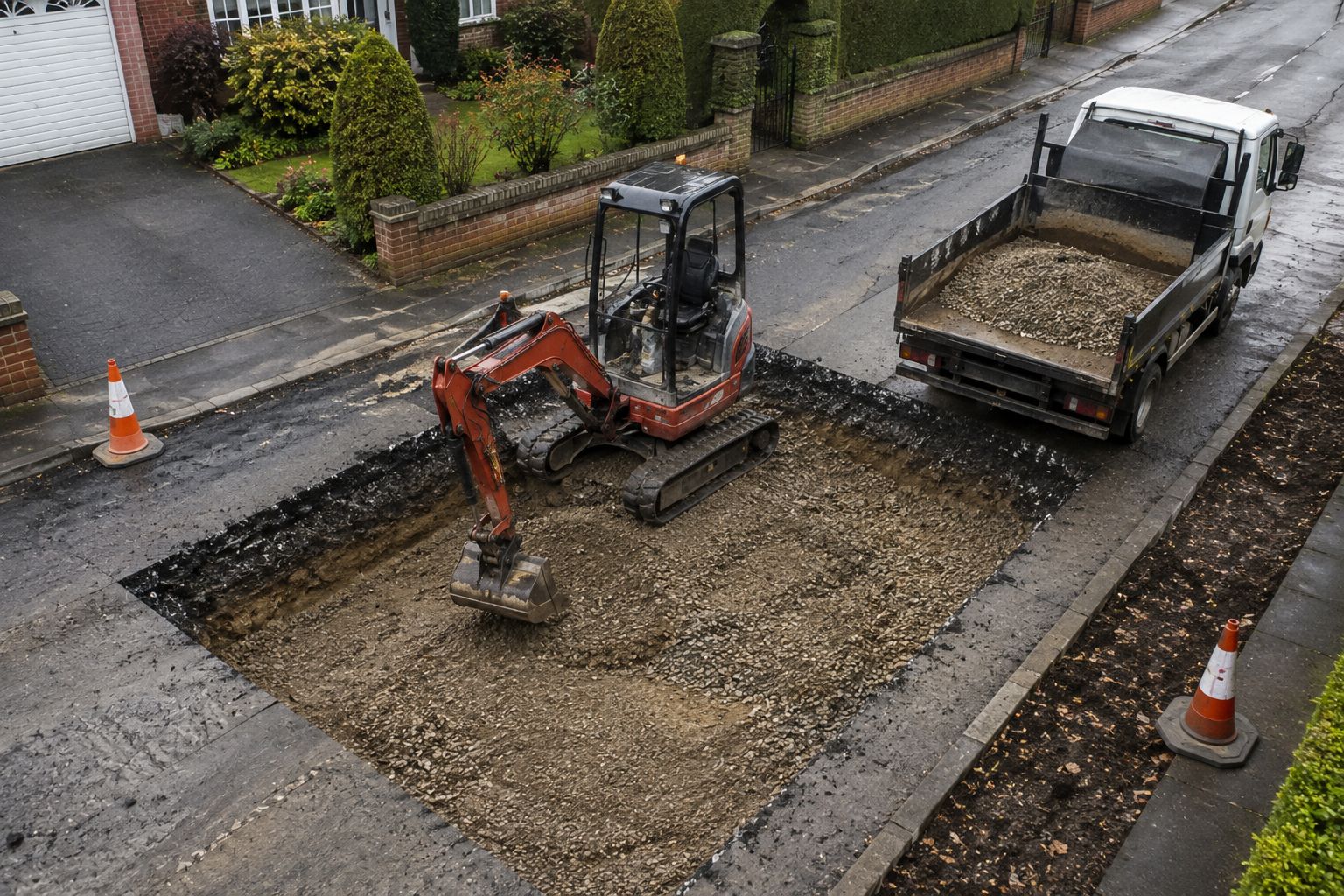
Reconstruction of failed areas
Where movement, deep depressions or repeated failures show that the foundation is unsound, the affected construction may need to be removed and rebuilt. Although more substantial, reconstruction deals with the underlying weakness and can be better value than returning repeatedly to patch the same location.
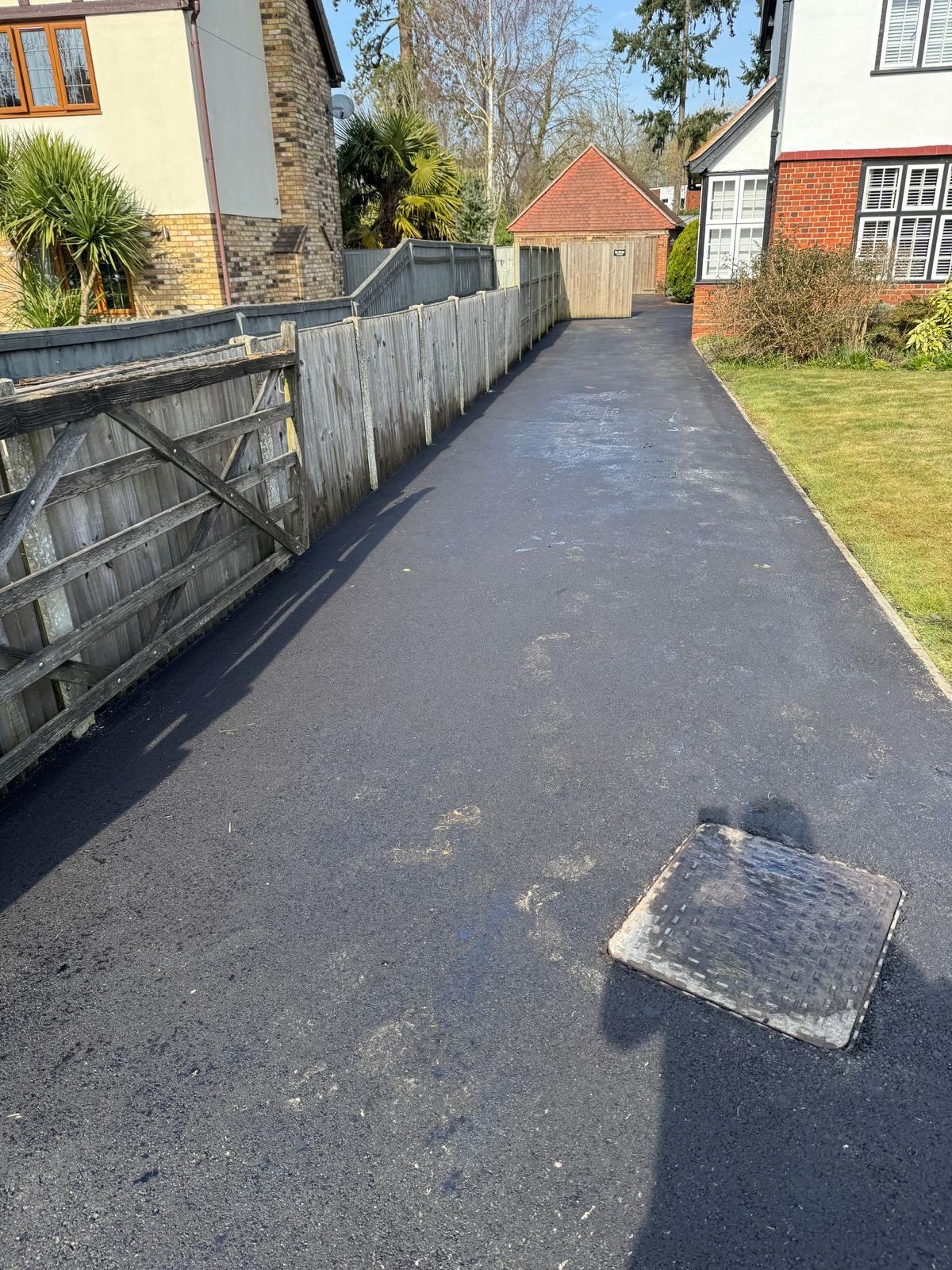
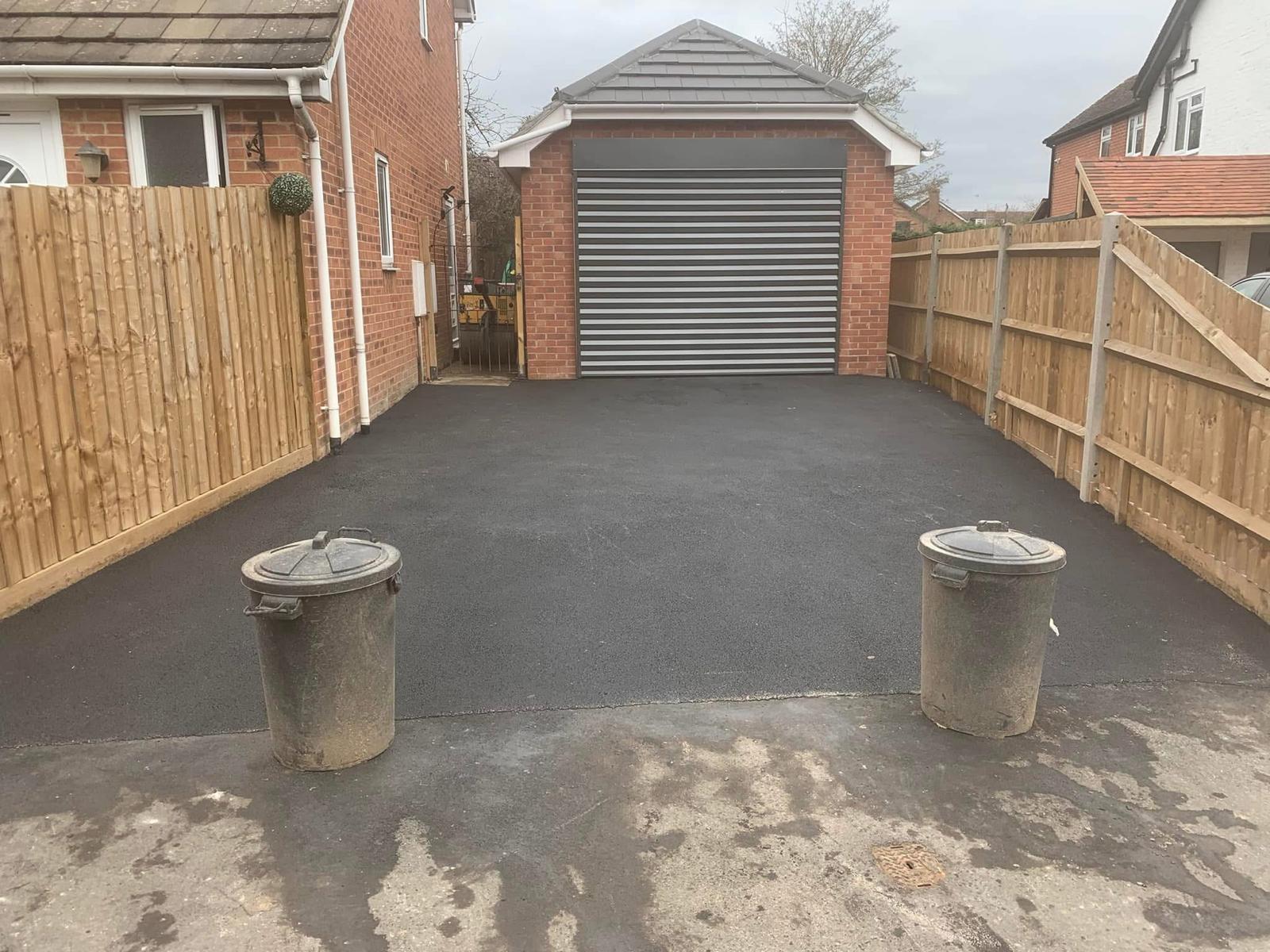
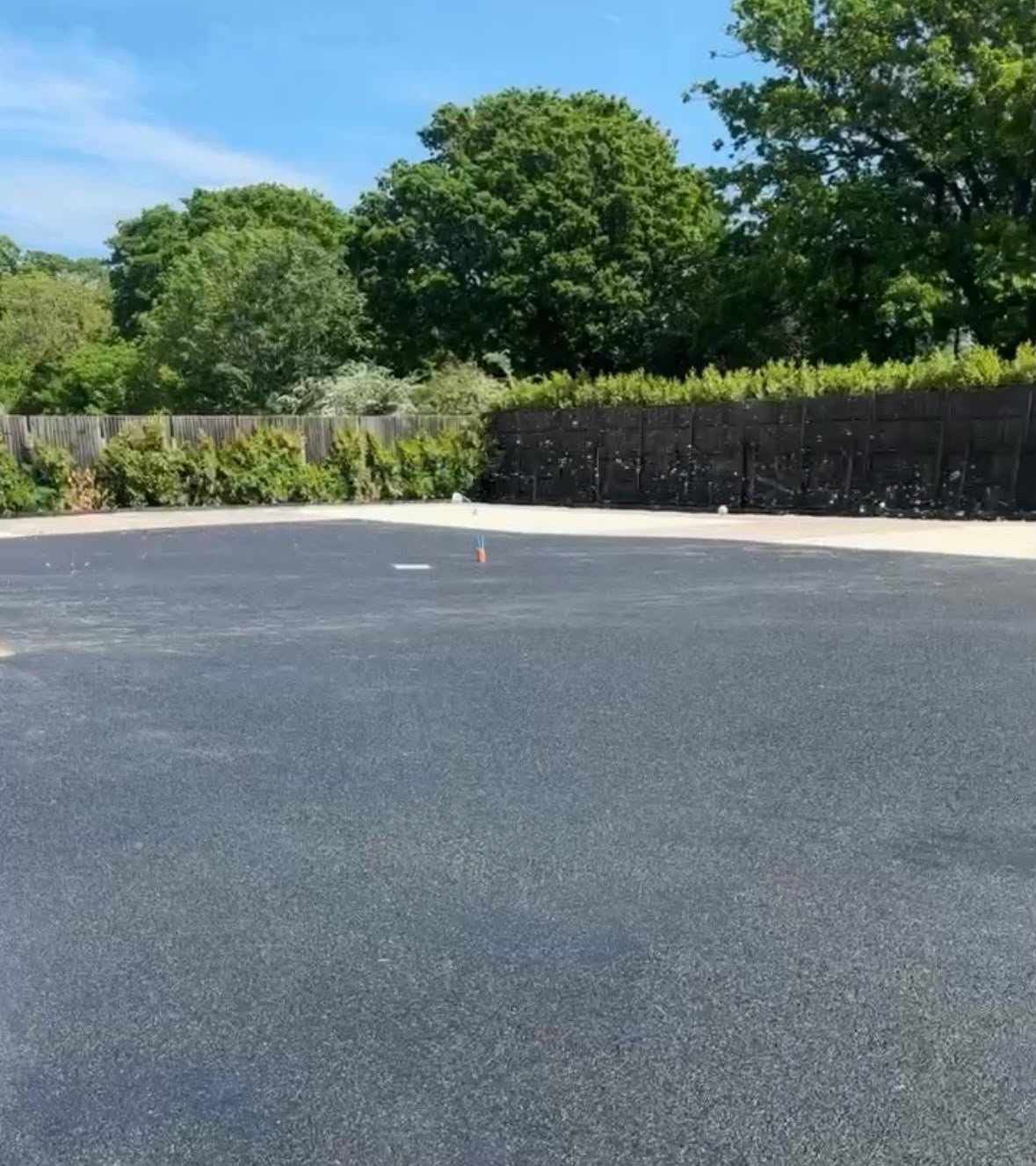
Recent repair and resurfacing projects
Commercial Surfacing
Car parks, access roads and forecourts built for heavy use.
→
Repairs & Resurfacing
Restore and strengthen existing surfaces for a fresh, long-lasting finish.
→
Groundworks & Drainage
Expert groundwork and drainage solutions for every project.
→
Repair, resurface or replace?
The most cost-effective choice is the treatment that addresses the actual condition of the surface—not automatically the cheapest quotation or the most extensive work. Local repair makes sense when defects are contained and the adjoining base is sound. Resurfacing is useful when wear is widespread but the underlying construction remains stable. Reconstruction becomes appropriate where structural failure, unsuitable levels or persistent drainage problems would undermine a lighter treatment.
Several clues help guide that decision. Fine isolated cracks differ from interconnected cracking across a broad area. A single pothole differs from repeated depressions along vehicle wheel paths. Water collecting after rainfall can reveal level or drainage problems that a cosmetic overlay may preserve rather than correct. We assess these signs together instead of judging the surface from one photograph or defect.
Our recommendation also considers how the area is used and what you expect from the result. A lightly used domestic drive, busy access route and commercial service yard impose different demands. We explain the likely benefits and limitations of each realistic option, allowing you to choose with a clearer understanding of cost, disruption and anticipated service life.
Repairs and resurfacing FAQs
Can you repair individual potholes and damaged patches?
Yes, where a localised repair is technically appropriate. The damaged material needs to be cut or broken back to sound boundaries, the base checked and the repair compacted properly. Simply adding loose material to a pothole rarely provides a durable result under regular traffic.
How do I know whether resurfacing is suitable?
Resurfacing normally requires an existing construction that is broadly stable, with enough level allowance for a new surface and suitable drainage. Widespread structural movement or a failed base can quickly reflect through a new layer. A site inspection is the reliable way to judge suitability.
Will a repaired area match the existing surface?
New materials will usually look darker or cleaner than an older weathered surface, so a local repair may remain visible. Colour differences normally soften with exposure, but an exact match cannot be guaranteed. Full resurfacing creates a more consistent overall appearance where it is otherwise appropriate.
Can drainage problems be corrected during the work?
Some standing-water problems can be improved by adjusting local levels, channels or drainage connections. Others relate to the wider layout or limited falls across the site. We will identify practical options during the assessment and explain whether they can be included within the repair or require broader reconstruction.
How long will the repaired area be out of use?
This depends on the material, depth, weather and type of traffic. A pedestrian area, domestic driveway and heavy-use commercial route may need different reopening arrangements. We provide project-specific guidance when the work is complete.
Do you cover both homes and commercial properties?
Yes. GP Surfacing undertakes suitable repair and resurfacing projects for domestic and commercial customers in Guildford and the surrounding area. Send us the postcode, approximate size, current surface and photographs if available, and we can advise on the next step.
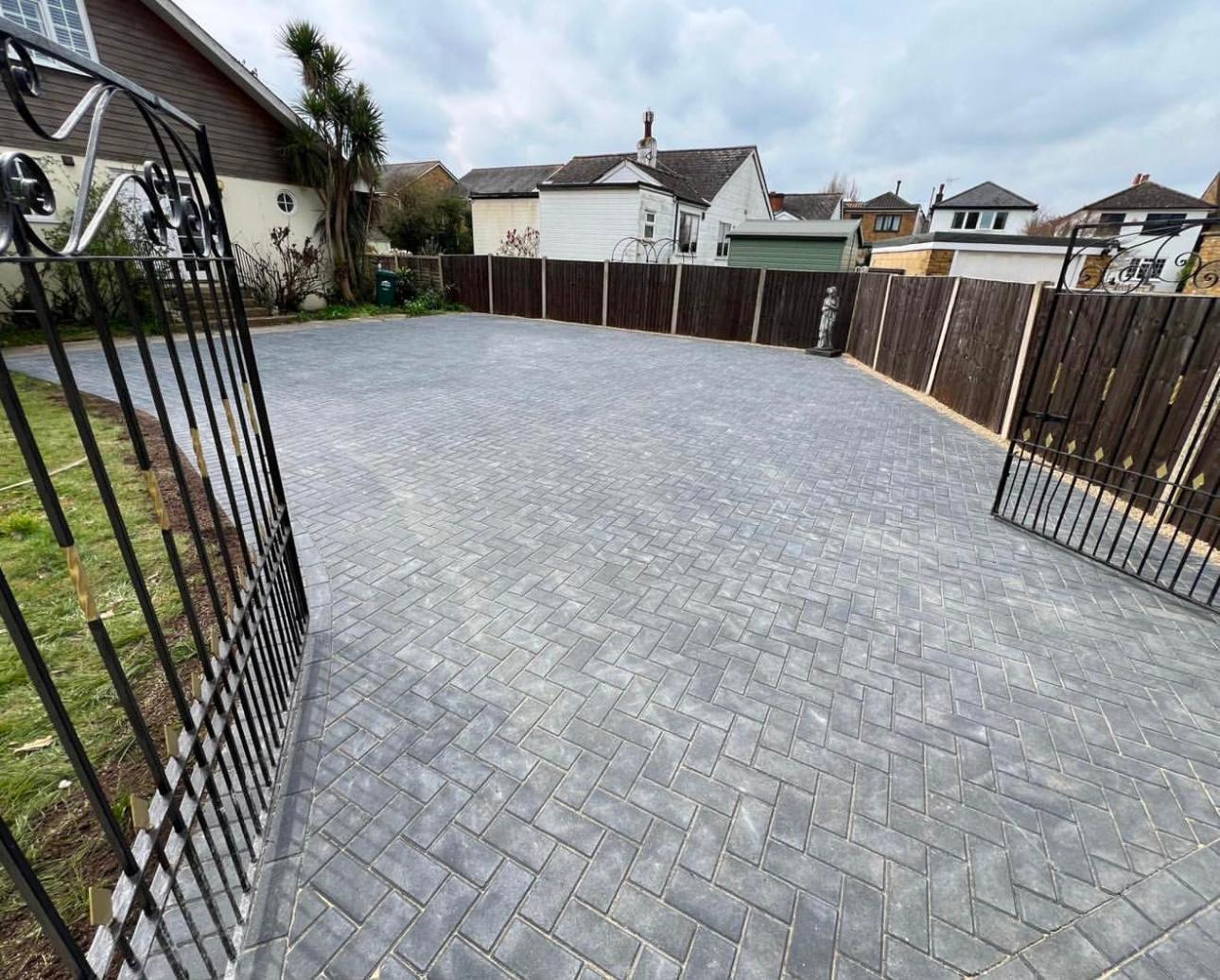
For Your Home
We create attractive, practical driveways, patios and garden spaces that add kerb appeal and value to your home.
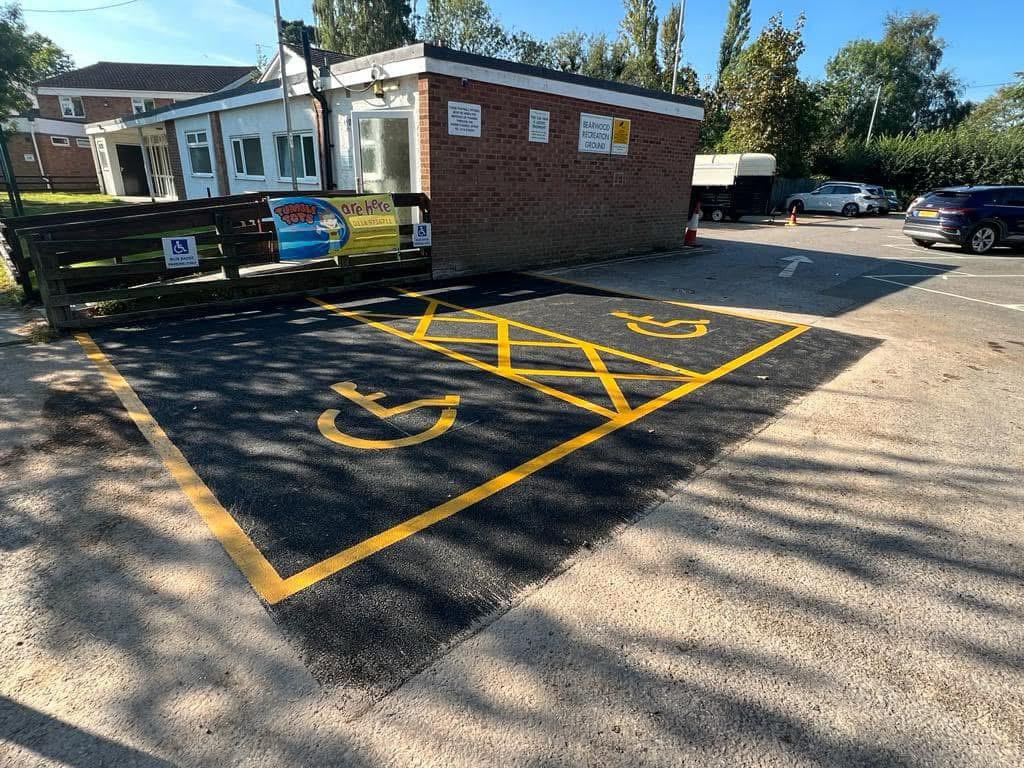
For Your Business
Durable, professional surfaces built to withstand daily use and keep your business looking its best.
Proper preparation. Careful construction. A better finish.
01
Site survey
We visit your property to understand your needs and assess the site.
02
Written quotation
You’ll receive a clear, competitive quotation with no hidden extras.
03
Excavation & preparation
We excavate and prepare the base to the highest standards.
04
Drainage & installation
Proper drainage is installed before we build your surface to last.
05
Inspection & handover
We inspect our work with you and leave the site clean and tidy.
Need a dependable surface for your site?
Talk to GP Surfacing about a commercial surfacing solution planned around your property, traffic and operational requirements. We will assess the site, explain the available options and provide a clear, no-obligation quotation.
Local service. Close to home.
We're based in Guildford and cover all areas within 10 miles, including Worplesdon, Godalming, Ripley, Woking, Cobham, Farnham, Cranleigh and surrounding villages.

Built on preparation.
Finished to last.